The Reality of the Environment
While popular media emphasizes the psychological terror of encountering the unknown, the genuine danger in field investigation is almost entirely terrestrial. Operating in abandoned, decaying, or historically preserved structures in total darkness presents immense physical risk. Professional teams dedicate just as much time to hazard assessment and mitigation as they do to setting up cameras and calibrating audio equipment.
Structural and Biological Hazards
Abandoned structures are rarely stable. Before the sun sets, a mandatory daylight assessment must be conducted to identify critical threats. These include:
- Unstable Flooring: Rotted floorboards, compromised staircases, and hidden drops (such as open elevator shafts or missing cellar grates) are the most common causes of injury. High-lumen tactical flashlights are required gear; moving without adequate illumination is unacceptable.
- Asbestos and Lead Paint: Many historic sites contain decaying building materials that release toxic particulate matter into the air. Disturbing dust in these environments without proper respiratory protection can have severe long-term health consequences.
- Black Mold and Animal Waste: Damp, unventilated spaces breed toxic mold (Stachybotrys chartarum). Additionally, accumulations of bat guano or pigeon droppings can transmit Histoplasmosis, a serious respiratory infection. High-quality N95 or P100 respirator masks should be part of standard gear kits.
- Exposed Wiring and Utilities: Even if a building is considered abandoned, sections may still be connected to live municipal power grids. Floodwater in basements combined with exposed wires creates lethal electrocution hazards.
Essential Gear and First Aid
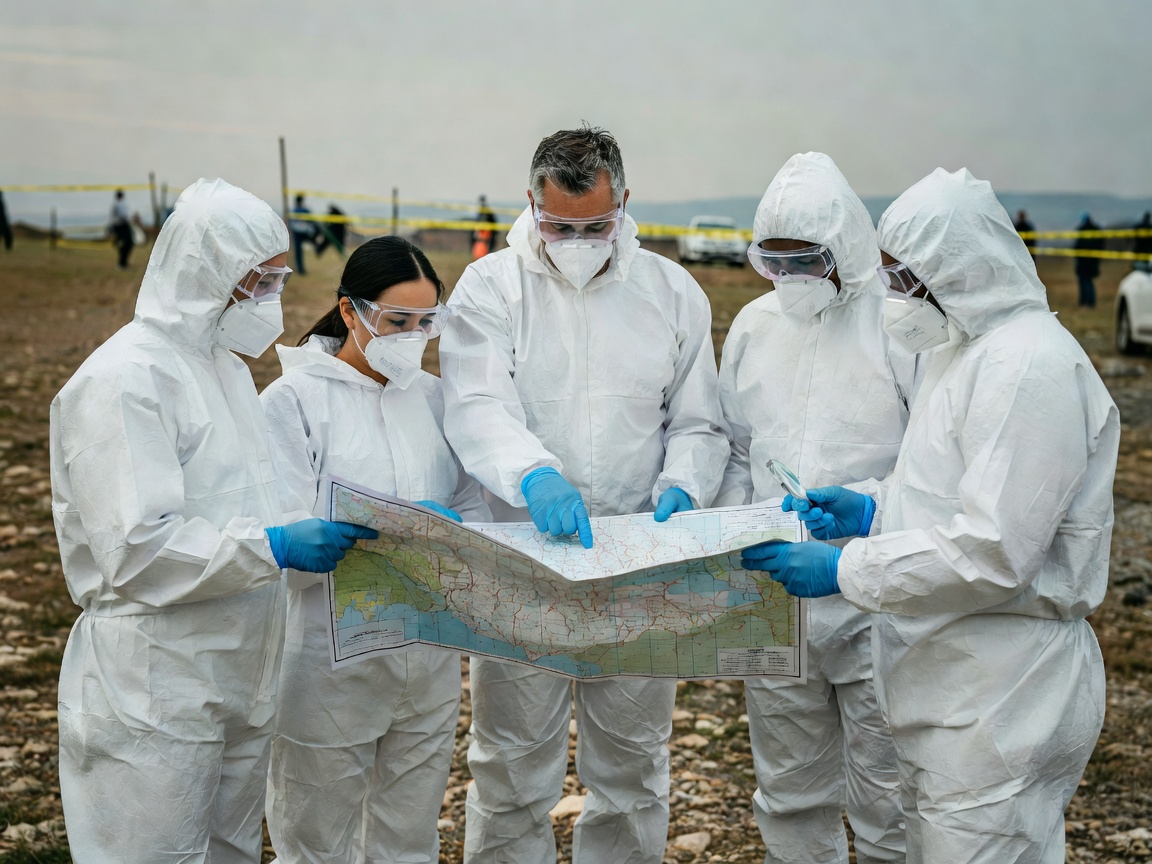
Every investigator must carry personal protective equipment (PPE). A basic field kit should include heavy-duty boots with puncture-resistant soles (to guard against rusty nails), work gloves, a primary flashlight, and a backup light source (headlamps are ideal as they keep hands free).
A comprehensive team first-aid kit must remain at the designated basecamp, with smaller trauma kits carried by individuals. Because investigations often occur in remote locations where emergency response times are extended, the kit must account for severe lacerations, sprains, and allergic reactions (including EpiPens for wasp or bee stings). Two-way radios are non-negotiable; cellular service is notoriously unreliable inside thick stone masonry or deep underground levels.
Team Protocols and the Buddy System
Isolation is dangerous in hazardous environments. The bedrock of investigation protocol is the buddy system. No investigator should ever traverse an unstable site alone. Teams should operate in pairs minimum, with clear radio check-ins to basecamp at scheduled intervals (e.g., every 30 minutes).
Clear communication protocols must be established. If an investigator feels genuinely threatened—whether by a perceived entity, a physical hazard, or an unexpected trespasser—a "safe word" or code should be broadcast over the radio. This code instantly halts the investigation and signals all members to rally at the exit without questioning the command. Ego has no place in field safety.
Psychological Safety
Finally, mental and psychological fatigue is a critical factor. Sleep deprivation, prolonged exposure to high EMF fields, and the intense focus required in darkness degrade cognitive function. Paranoia can escalate quickly in a tired mind, leading to panic, which in turn leads to physical accidents.
Teams must schedule enforced breaks, hydrate properly, and monitor each other for signs of exhaustion. If an investigator becomes overwhelmed, they must be allowed to step back into a well-lit basecamp without judgment. The integrity of the data collected is directly correlated to the mental sharpness of the investigators; a fatigued, frightened investigator will interpret a draft of wind as a demonic attack, polluting the research.